
Business opportunity sheets

Search for a project:
Waste valorization and recovery of proteins and carnass
Project description
Valorization of solid waste from the transformation of raw hides into leather, reducing effluents and waste.
Capacity: 30 to 100 tonnes/day.
Business sector
Industry
Buildings / Land
Land area: 3,000 to 10,000 m²
Buildings: 1,500 to 4,000 m²
Investment amount
10-30 Million DHS
Revenue
20-60 Million DHS
Gross Margin
20 – 40%
Number of jobs
50-150 direct jobs
Key investment advantages
Subsidies
ISTITMAR program for SMEs or very small businesses, depending on turnover
Investment Charter Main Mechanism
Training assistance
"IDMAJ" Program«
"TAEHIL" Program«
The market and the clientele
Walk : Local 50% / Export 50%
Leather goods, saddlery, footwear, and furniture companies.
KEY FACTS
Use of advanced technologies for waste treatment and protein recovery (biogas, compost).
Download this report in PDF format
Vegetable tanning of camel hides intended for insoles and walking shoes
Project description
Production of soles from camel hides using ecological vegetable tanning.
Capacity: 150,000 pairs (insoles) / 250,000 pairs (walking soles).
Business sector
Industry
Buildings / Land
Land area: 6,000 m²
Building: 3,000 m²
Investment amount
5-10 Million DHS
Revenue
10-15 Million DHS
Gross Margin
30 – 42%
Number of jobs
50 direct jobs
Key investment advantages
Subsidies
ISTITMAR program for SMEs or very small businesses, depending on turnover
Investment Charter Main Mechanism
Training assistance
"IDMAJ" Program«
"TAEHIL" Program«
The market and the clientele
Walk : Local 50% / Export 50%
Manufacturers of shoes, leather goods, decoration, saddlery.
KEY FACTS
Vegetable tanning enhances local resources and creates jobs while protecting the environment.
Download this report in PDF format
Camel leather accessories manufacturing unit: belts, watch straps, gun cases and hunting clothing
Project description
Manufacturing of items from dromedary leather sourced from local breeding: belts, watch straps, gun cases, hunting clothing.
Ability :
Belts: 50,000 units/year - Bracelets: 30,000 units/year - Gun cases: 10,000 units/year - Hunting clothing: 5,000 units/year
Business sector
Industry
Buildings / Land
Land area: 5,000 m²
Building: 2,500 m²
Investment amount
7.5 – 10 Million DHS
Revenue
10-15 Million DHS
Gross Margin
35 – 40%
Number of jobs
40 direct jobs
Key investment advantages
Subsidies
ISTITMAR program for SMEs or very small businesses, depending on turnover
Investment Charter Main Mechanism
Training assistance
"IDMAJ" Program«
"TAEHIL" Program«
The market and the clientele
Walk : Local 30% / Export 70%
Luxury boutiques, specialty stores, international markets.
KEY FACTS
Camel leather is known for its strength and suppleness, ideal for
Download this report in PDF format
Production of camelina gelatin from dromedary bones and hides
Project description
This unit produces camelina gelatin derived from dromedary bones and hides. It is used in the food, pharmaceutical, cosmetic and industrial sectors.
Capacity: 10 – 50 T/year of gelatin.
Business sector
Chemical industry
Buildings / Land
Land area: 2,000 to 3,000 m²
Investment amount
4 – 4.5 Million DHS
Revenue
4-6 Million DHS
Gross Margin
20 – 25%
Number of jobs
37 direct jobs
Key investment advantages
Subsidies
ISTITMAR program for SMEs or very small businesses, depending on turnover
Investment Charter Main Mechanism
Training assistance
"IDMAJ" Program«
"TAEHIL" Program«
The market and the clientele
Walk : Local 50% / Export 50%
Sectors Food, pharmaceutical, cosmetic, industrial.
KEY FACTS
Market research is necessary to target specific sectors and develop a suitable strategy.
Download this report in PDF format
Recycling and recovery unit for agricultural plastics
Project description
The unit focuses on the sustainable management of plastic waste from the agricultural sector. It aims to transform used plastics into new, useful products, reducing their environmental impact and contributing to the circular economy.
Capacity: 5,000 to 15,000 tonnes/year of agricultural plastics.
Business sector
Industry
Buildings / Land
Land area: 5,000 to 10,000 m²
Buildings: 3,000 to 7,000 m²
Investment amount
12 – 30 Million DHS
Revenue
20-40 Million DHS
Gross Margin
20 – 35%
Number of jobs
30-60 direct jobs
Key investment advantages
Subsidies
ISTITMAR program for SMEs or very small businesses, depending on turnover
Investment Charter Main Mechanism
Training assistance
"IDMAJ" Program«
"TAEHIL" Program«
The market and the clientele
Walk Local 100%
Target clientele : farms, agricultural product manufacturers, plastic waste managers.
KEY FACTS
Using advanced technologies to recycle agricultural plastics and produce high-quality materials.
Download this report in PDF format
Manufacturing of environmentally friendly filters for industrial use
Project description
The manufacturing unit for eco-friendly filters for industrial applications focuses on producing filters designed to meet the growing needs for sustainability and environmental protection in various industrial sectors. These eco-friendly filters are made from sustainable and biodegradable materials and are intended to optimize filtration processes while minimizing environmental impact.
Capacity: 100,000 and 300,000 filters per year. Types of Filters: Production of various types of filters for different industrial applications, including air filters, water filters, and oil filters.
Business sector
Industry
Buildings / Land
Land area: 4,000 to 6,000 m²
Buildings: 3,000 to 5,000 m²
Investment amount
15-35 Million DHS
Revenue
25-50 Million DHS
Gross Margin
25 – 40%
Number of jobs
40-80 direct jobs
Key investment advantages
Subsidies
ISTITMAR program for SMEs or very small businesses, depending on turnover
Investment Charter Main Mechanism
Training assistance
"IDMAJ" Program«
"TAEHIL" Program«
The market and the clientele
Walk : Local 80% / Export 20%
Target clientele Industries requiring environmentally friendly filtration solutions: water, air, lubricants.
Companies : water treatment, lubricant production, manufacturing industries, food processing, pharmaceuticals.
KEY FACTS
These filters are used for the separation of solid/liquid mixtures in several industrial sectors.
Download this report in PDF format
Agricultural protective netting manufacturing unit
Project description
The agricultural netting manufacturing unit specializes in producing nets designed to protect crops from various environmental and biological factors. These nets are designed to improve crop productivity by reducing damage caused by inclement weather, insects, and other pests. The unit's objective is to meet the growing demand for sustainable and protected agriculture, while offering solutions tailored to the specific needs of farmers.
Capacity: 500,000 and 1,000,000 m² of nets per year.
Business sector
Industry
Buildings / Land
Land area: 3,000 to 5,000 m²
Buildings: 2,000 to 4,000 m²
Investment amount
8 – 20 Million DHS
Revenue
15-30 Million DHS
Gross Margin
20 – 35%
Number of jobs
30-60 direct jobs
Key investment advantages
Subsidies
ISTITMAR program for SMEs or very small businesses, depending on turnover
Investment Charter Main Mechanism
Training assistance
"IDMAJ" Program«
"TAEHIL" Program«
The market and the clientele
Walk : Local: 80% / Export: 20%
Target clientele Farmers, agricultural cooperatives, professional gardening companies, and distributors of agricultural products.
Producers of weather-sensitive crops, farms requiring specific protections, and crop management companies in urban or suburban areas.
KEY FACTS
Protective netting contributes to sustainable agriculture by reducing crop losses due to extreme environmental conditions and pests.
Possibility of integrating recycled materials into the production of nets to support the circular economy and reduce the ecological footprint of operations.
Download this report in PDF format
Recycling of PET waste (bottles) for the manufacture of textile filaments
Project description
This unit focuses on recycling PET (polyethylene terephthalate) waste, primarily from plastic bottles, to produce textile filaments. This project aims to transform plastic waste into useful and sustainable products, thereby reducing the environmental impact of single-use plastics while meeting the growing demand for recycled materials in the textile industry.
Capacity: 10,000 to 30,000 tons/year of processed materials
Business sector
Industry
Buildings / Land
Land area: 5,000 to 10,000 m²
Buildings: 3,000 to 6,000 m²
Investment amount
15-35 Million DHS
Revenue
50-100 direct jobs
Gross Margin
25 – 45%
Number of jobs
20-50 Million DHS
Key investment advantages
Subsidies
ISTITMAR program for SMEs or very small businesses, depending on turnover
Investment Charter Main Mechanism
Training assistance
"IDMAJ" Program«
"TAEHIL" Program«
The market and the clientele
Walk : Local: 60% / Export: 40%
Target clientele Textile industry, clothing manufacturers, producers of eco-friendly fabrics, and sustainable fashion companies.
Major fashion brands, technical textile companies, and manufacturers of sporting and leisure goods using recycled materials.
KEY FACTS
The beverage packaging market is growing. The volume of waste is expected to be proportional to this growth. Currently, there are no PET waste recycling facilities in our country.
The aim of this project is to valorize this waste into polyester filaments (textile) and to minimize, on a national scale, the costs of shipping PET waste abroad.
Download this report in PDF format
Manufacturing unit for natural food additives based on seaweed
Project description
This unit specializes in the production of natural food additives derived from seaweed. These seaweed-based food additives are used to improve the texture, color, flavor, and nutritional properties of food products. They are valued for their health benefits, natural origin, and low environmental impact.
Capacity: 50 and 200 tonnes/year of agar-agar powder (dry extracts of seaweed)
Business sector
Agri-food
Buildings / Land
Land area: 2,000 to 5,000 m²
Buildings: 1,000 to 3,000 m²
Investment amount
5 – 15 Million DHS
Revenue
10-30 Million DHS
Gross Margin
20 – 40%
Number of jobs
30-70 direct jobs
Key investment advantages
Subsidies
ISTITMAR program for SMEs or very small businesses, depending on turnover
Investment Charter Main Mechanism
Training assistance
"IDMAJ" Program«
"TAEHIL" Program«
The market and the clientele
Walk : Local: 80% / Export: 20%
Target clientele:
Agribusiness, natural health product producers, food supplement manufacturers, and food processing companies seeking natural additives.
Large agri-food companies, manufacturers of organic products, distributors specializing in natural ingredients, and nutrition research companies.
KEY FACTS
The food industry market is constantly evolving. Food processing companies are always looking for additives that give better results than gelatin, such as agar-agar extracted from seaweed, which is an excellent gelling agent, significantly more efficient.
Download this report in PDF format
Manufacturing and Installation of Anaerobic Digestion Plants for Biogas Production from Organic Waste
Project description
This unit specializes in the design, manufacture, and installation of methanization systems for the production of biogas from organic waste.
Anaerobic digesters transform organic waste, such as food residues, agricultural waste and sewage sludge, into biogas (mainly methane) and digestate (a fertilizer) using a fermentation technique (anaerobic oxidation).
Capacity: 8 to 10 methanization plants/year producing an average of 400 m³/year of biogas
Business sector
Chemical industry
Buildings / Land
Land area: 5,000 to 10,000 m²
Buildings: 2,000 to 4,000 m²
Investment amount
2.5 – 10 Million DHS
Revenue
5 – 20 Million DHS
Gross Margin
15% – 30%
Number of jobs
50-100 direct jobs
Key investment advantages
Subsidies
ISTITMAR program for SMEs or very small businesses, depending on turnover
Investment Charter Main Mechanism
Training assistance
"IDMAJ" Program«
"TAEHIL" Program«
The market and the clientele
Walk : Local: 80% / Export: 20%
Target clientele:
Farmers, waste management companies, local authorities, and wastewater treatment industries.
Farms, waste managers, wastewater treatment plants, and biogas companies interested in the recovery of organic waste.
KEY FACTS
The market for biogas production from organic waste is virtually untapped. Every day, enormous quantities of farm waste, tree waste, vegetation, and household and municipal waste are not fully utilized. Their processing puts a strain on public sewage systems. With current energy costs (fuel, heating, electricity), utilizing this waste is becoming a strategic opportunity.
Download this report in PDF format
Irrigation accessories manufacturing unit
Project description
This unit specializes in the manufacture of accessories for irrigation systems, mainly elbows and fittings.
Capacity: 500,000 to 2 million units per year
Product Types: Manufacturing of various types of elbows (90°, 45°, etc.) and fittings (screw, push-fit, etc.) adapted to the varied needs of irrigation systems.
Business sector
Industry
Buildings / Land
Land area: 2,000 to 5,000 m²
Buildings: 1,000 to 2,500 m²
Investment amount
5 – 15 Million DHS
Revenue
2.5 – 40 Million DHS
Gross Margin
20 – 30%
Number of jobs
30-80 direct jobs
Key investment advantages
Subsidies
ISTITMAR program for SMEs or very small businesses, depending on turnover
Investment Charter Main Mechanism
Training assistance
"IDMAJ" Program«
"TAEHIL" Program«
The market and the clientele
Walk : Local: 60% / Export: 40%
Target clientele:
The agricultural irrigation sector, including farms, crop producers, and irrigation equipment distributors. Farmers, irrigation companies, agricultural cooperatives, and irrigation system distributors.
KEY FACTS
Contributes to efficient water management in agriculture, thus supporting sustainable agricultural practices.
The agricultural sector, through irrigation, remains the largest consumer of water, accounting for 801,300 tons of the total volume distributed across all sectors. This underscores the importance of the current irrigation accessories market in the coming years.
Adoption of modern technologies to guarantee the precision and quality of the manufactured accessories.
Download this report in PDF format
Drip irrigation tubing manufacturing unit
Project description
The drip irrigation pipe production unit is designed to manufacture specialized pipes used in agricultural irrigation systems. These pipes enable precise and efficient water distribution directly to plant roots, thus optimizing water resource use and improving agricultural yields. The project aims to provide innovative and sustainable irrigation solutions, meeting the growing need for advanced agricultural technologies.
Capacity: 500,000 to 5 million ML/year of drip irrigation tubing
Business sector
Industry
Buildings / Land
Land area: 5,000 to 10,000 m²
Buildings: 2,000 to 4,000 m²
Investment amount
10-30 Million DHS
Revenue
10 – 250 Million DHS
Gross Margin
25 – 35%
Number of jobs
50-150 direct jobs
Key investment advantages
Subsidies
ISTITMAR program for SMEs or very small businesses, depending on turnover
Investment Charter Main Mechanism
Training assistance
"IDMAJ" Program«
"TAEHIL" Program«
The market and the clientele
Walk : (Local: 70% / Export: 30%)
Target clientele :
The agricultural irrigation market, including farms, horticulturalists, and agricultural equipment distributors.
Farmers, irrigation companies, agricultural cooperatives, and distributors specializing in irrigation equipment
KEY FACTS
Water and energy conservation has become a national and even global priority.
Production of different types of drip irrigation pipes, including models with different flow rates and sizes to meet various agricultural needs.
Download this report in PDF format
Biodiesel production unit using aquatic (marine) microalgae oils
Project description
This project involves extracting oil from cultivated aquatic microalgae. The oil will then be transformed into biodiesel through a transesterification reaction.
Marine microalgae can produce oils with varying yields, often between 30% and 60% of the dry weight of the algae.
Microalgae-based biodiesel is an environmentally friendly alternative to fossil fuels, with the added benefit of using renewable and sustainable resources. The project aims to create a complete production chain, from microalgae cultivation to final processing into biodiesel.
Capacity: 500 to 5000 m³/year of ready-to-use biodiesel
Business sector
Chemical industry
Buildings / Land
Land area: 5,000 to 10,000 m²
Buildings: 2,000 to 4,000 m²
Investment amount
20-50 Million DHS
Revenue
3.5 – 50 Million DHS
Gross Margin
20 – 30%
Number of jobs
50-100 direct jobs
Key investment advantages
Subsidies
ISTITMAR program for SMEs or very small businesses, depending on turnover
Investment Charter Main Mechanism
Training assistance
"IDMAJ" Program«
"TAEHIL" Program«
The market and the clientele
Walk : (Local: 80% / Export: 20%)
Target clientele
The biodiesel market, transport companies, and renewable energy producers.
Biodegradable fuels are booming globally, and the Tunisian market will follow the same trend.
Download this report in PDF format
Biodiesel production unit using recycled vegetable oils
Project description
Biodiesel production from the recovery of used vegetable oils is a renewable and environmentally friendly fuel. This process contributes to waste management while offering a sustainable alternative to fossil fuels.
Sources: Used oils come from restaurants, food industries and households.
Storage: Used oils are collected and stored in appropriate tanks to maintain their quality and prevent any contamination.
Capacity: 750 m³/year of ready-to-use biodiesel
Business sector
Chemical industry
Buildings / Land
Land area: 1,500 to 2,000 m²
Buildings: 800 to 1,200 m²
Investment amount
5-10 Million DHS
Revenue
5.25 – 7.5 Million DHS
Gross Margin
15 – 25%
Number of jobs
20-30 direct jobs
Key investment advantages
Subsidies
ISTITMAR program for SMEs or very small businesses, depending on turnover
Investment Charter Main Mechanism
Training assistance
"IDMAJ" Program«
"TAEHIL" Program«
The market and the clientele
Walk : (Local: 90% / Export: 10%)
Target clientele:
The biodiesel market, transport companies, and renewable energy producers.
Biodiesel distributors, industrial companies, and energy sector players seeking to reduce their carbon footprint.
KEY FACTS
The market for collecting used vegetable oils is still untapped.
The community is aware of the socio-economic and environmental benefits of collecting vegetable oils.
Download this report in PDF format
Essential oil extraction unit using advanced supercritical CO₂ technology
Project description
Supercritical CO2 extraction technology is an innovative method that uses carbon dioxide (CO2) in a supercritical state to extract essential oils and other volatile compounds. Supercritical CO2 exists at temperature and pressure conditions that give it properties intermediate between those of a gas and a liquid, making it particularly effective for separating active plant compounds.
Extraction Process: Material preparation, conditioning, extraction, separation and CO2 recovery.
Applications: Cosmetics, Pharmaceuticals, Food. Capacity: 10 tons/year of pure essential oils
Business sector
Chemical industry
Buildings / Land
Land area: 7,000 to 40,000 m²
Buildings: 2,500 to 7,000 m²
Investment amount
30-80 Million DHS
Revenue
50 – 150 Million DHS
Gross Margin
80%
Number of jobs
20-40 direct jobs
Key investment advantages
Subsidies
ISTITMAR program for SMEs or very small businesses, depending on turnover
Investment Charter Main Mechanism
Training assistance
"IDMAJ" Program«
"TAEHIL" Program«
The market and the clientele
Walk : (Local: 30% / Export: 70%)
Target clientele:
Perfumers, pharmaceutical laboratories, local and export cosmetics companies
Essential oils are used in several fields: Pharmaceutical use – Cosmetic use – Phytosanitary use – Industrial use
Download this report in PDF format
Production unit for biodegradable, eco-friendly plastic packaging
Project description
Production of biodegradable plastic articles by injection and blow molding. The manufactured articles are designed to decompose naturally, thus reducing the environmental impact of plastic waste.
Capacity: 150 tons/year of processed materials
Products: Biodegradable plastic films, bags and checkout pouches, food packaging, biodegradable envelopes, protective films, and other packaging solutions.
Business sector
Industry
Buildings / Land
Land area: 3,000 to 5,000 m²
Buildings: 2,000 to 3,400 m²
Investment amount
3-5 Million DHS
Revenue
2-3 Million DHS
Gross Margin
60 – 70%
Number of jobs
15-20 direct jobs
Key investment advantages
Subsidies
ISTITMAR program for SMEs or very small businesses, depending on turnover
Investment Charter Main Mechanism
Training assistance
"IDMAJ" Program«
"TAEHIL" Program«
The market and the clientele
Walk : (Local: 90% / Export: 10%)
Target clientele
Food and Beverage Industries Growing need for eco-friendly packaging to reduce plastic waste.
Retail Sector Adoption by shops and supermarkets seeking to replace traditional plastic bags.
Consumer Product Manufacturers Companies seeking to integrate sustainable packaging solutions into their product lines.
KEY FACTS
Use of modern extrusion, injection and blow molding machines to produce high-quality packaging items.
The use of biodegradable raw materials such as polyhydroxyalkanoate (PHA) or polylactide (PLA) ensures that the products are environmentally friendly and comply with international ecological standards.
Download this report in PDF format
Mineral Grinding and Micronization Unit
Project description
Production of calcium carbonate powder used in paints, plastics, paper, detergents, and sugar. Chert is used for filtering vegetable oils. Calcium carbonate also plays an important role in vegetable oil filtration, in the form of chert. By ensuring high-quality production and rigorous control, this versatile mineral helps improve the properties and performance of finished products in various industrial applications. The quality and purity of this rock are essential for obtaining high-quality powder. Capacity: 10,000 to 30,000 tons per year.
Business sector
Chemical industry
Buildings / Land
Land area: 7,000 to 40,000 m²
Buildings: 2,500 to 7,000 m²
Investment amount
30-80 Million DHS
Revenue
50 – 150 Million DHS
Gross Margin
80%
Number of jobs
20-40 direct jobs
Key investment advantages
Subsidies
ISTITMAR program for SMEs or very small businesses, depending on turnover
Investment Charter Main Mechanism
Training assistance
"IDMAJ" Program«
"TAEHIL" Program«
The market and the clientele
Walk : (Local: 60% / Export: 40%)
Target clientele
The calcium carbonate market is vast and diverse, with significant demand in several key industrial sectors, including construction, plastics, paper, detergents, and sugar. The customer base comprises a variety of industries that utilize this material for its unique properties. The manufacturing unit must be prepared to meet the specific needs of these customers while remaining flexible enough to adapt to market changes and new opportunities.
Download this report in PDF format
Plastic Medical Device Manufacturing Unit
Project description
Manufacturing of plastic medical devices, equipment, and instruments for use in the medical sector, ranging from diagnostic devices to surgical instruments, including plastic tubing and tubing accessories, blood collection tubes, sample collection cylinders, digital thermometers, blood pressure monitors, rapid diagnostic tests, cutting instruments, surgical forceps, medical gloves, masks and gowns, crutches, and walkers. Capacity: approximately 1,000,000 units per year
Business sector
Industry
Buildings / Land
Land area: 5,000 to 10,000 m²
Buildings: 2,500 to 5,000 m²
Investment amount
20-30 Million DHS
Revenue
50 Million DHS
Gross Margin
20% – 26%
Number of jobs
80 to 150 direct jobs
Key investment advantages
Subsidies
ISTITMAR program for SMEs or very small businesses, depending on turnover
Investment Charter Main Mechanism
Training assistance
"IDMAJ" Program«
"TAEHIL" Program«
The market and the clientele
Walk : (Local: 60% / Export: 40%)
Target clientele
Medical sector Hospitals, clinics, patients requiring respiratory treatment at home.
The local market, as well as the Maghreb and African markets, are markets that demand this type of product.
KEY FACTS
Obtaining certifications such as ISO 13485 (quality management system for medical devices) to ensure compliance with international standards.
Investment in new technologies to improve the performance and functionality of medical devices.
Download this report in PDF format
Extraction and Valorization of Aloe Vera Products
Project description
Production of various products from the processing of Aloe Vera with recognized properties, into high quality finished cosmetic, pharmaceutical and food products.
Aloe Vera Gel: For cosmetic and pharmaceutical applications. 1,000 to 2,000 tonnes/year.
Aloe Vera juice: Used in health drinks and food supplements. 500,000 to 1,000,000 litres/year.
Aloe Vera Powder: For integration into various cosmetic and food products as a powdered supplement. 100 to 300 tonnes/year.
Concentrated Extracts: Intended for specific applications (advanced cosmetic formulations). 50 to 100 tonnes/year.
Business sector
Chemical industry
Buildings / Land
Land area: 3 to 5 hectares
Buildings: 1,000 to 2,000 m²
Investment amount
50-100 Million DHS
Revenue
75 – 150 Million DHS
Gross Margin
20% – 30%
Number of jobs
80 to 150 direct jobs
Key investment advantages
Subsidies
ISTITMAR program for SMEs or very small businesses, depending on turnover
Investment Charter Main Mechanism
Training assistance
"IDMAJ" Program«
"TAEHIL" Program«
The market and the clientele
Walk : (Local: 50% / Export: 50%)
Target clientele
Target Sectors Cosmetics, pharmaceuticals and food.
Domestic and International Market : Targeting local and international markets by responding to the growing needs for natural and functional products.
KEY FACTS
Use of modern technologies for the extraction, purification and processing of Aloe Vera gel, including cold pressing extraction systems, freeze-drying equipment and concentration technologies.
Strategic positioning to capitalize on the growing demand for natural and organic products, with prospects for continued growth in the sector.
Download this report in PDF format
High-efficiency solar collector manufacturing unit with storage function
Project description
The unit aims to produce innovative equipment for capturing and storing solar energy. These sensors are designed to maximize energy efficiency and meet the growing demand for renewable energy.
Photovoltaic Solar Sensors: sensors for the direct conversion of solar energy into electricity.
Solar Thermal Collectors: collectors designed for the collection and storage of solar heat.
Capacity: 50,000 to 100,000 units per year.
Business sector
Electromechanical Industry
Buildings / Land
Land area: 3 to 5 hectares
Buildings: 1,000 to 2,000 m²
Investment amount
50-100 Million DHS
Revenue
75 – 150 Million DHS
Gross Margin
20% – 30%
Number of jobs
80 to 150 direct jobs
Key investment advantages
Subsidies
ISTITMAR program for SMEs or very small businesses, depending on turnover
Investment Charter Main Mechanism
Training assistance
"IDMAJ" Program«
"TAEHIL" Program«
The market and the clientele
Walk : (Local: 30% / Export: 70%)
Domestic and International Market including the residential, commercial and industrial sectors.
Application Sector Renewable energies, sustainable construction, and industrial applications.
Target clientele:
Construction Companies : Providing solutions for eco-friendly buildings.
Energy Suppliers Partnerships with companies specializing in renewable energies.
Residential Market : Direct sales to consumers interested in solar energy solutions.
KEY FACTS
The high-efficiency solar collector manufacturing unit with storage function represents a strategic investment in the renewable energy sector.
With a well-defined production capacity, a suitable infrastructure, and a promising target market.
Download this report in PDF format
Production unit for solar and electric cooking equipment
Project description
Manufacturing innovative and eco-friendly solar and electric cooking equipment to meet the growing demand for sustainable cooking solutions. This unit aims to offer highly energy-efficient products tailored to the diverse needs of consumers, from residential homes to commercial establishments. Solar Cookers: parabolic cookers, solar ovens, solar barbecues, and convection solar cookers.
Electric Cookers: induction cooktops, electric food warmers, and steamers.
Capacity: 10,000 to 15,000 units.
Business sector
Electromechanical Industry
Buildings / Land
Land area: 3 to 5 hectares
Buildings: 11,000 to 22,000 m²
Investment amount
10-20 Million DHS
Revenue
20-50 Million DHS
Gross Margin
20% – 30%
Number of jobs
50-100 direct jobs
Key investment advantages
Subsidies
ISTITMAR program for SMEs or very small businesses, depending on turnover
Investment Charter Main Mechanism
Training assistance
"IDMAJ" Program«
"TAEHIL" Program«
The market and the clientele
Walk : 50% local – 50% export
Target Audience Residential Consumers: individuals seeking environmentally friendly and economical cooking solutions. Establishments
Salespeople : restaurants, hotels and food establishments.
KEY FACTS
The solar and electric cooking equipment manufacturing unit represents a strategic investment in technological innovation and sustainability.
With a well-defined production capacity, estimated investments and a targeted customer base, this project aims to meet the growing needs for efficient and environmentally friendly cooking solutions.
Download this report in PDF format
Date paste production unit
Project description
A facility dedicated to the production of batteries using hydrogen as an energy carrier. These batteries, or hydrogen fuel cells, convert hydrogen into electricity through an electrochemical reaction, providing a clean and efficient energy storage solution. This unit is designed to meet the growing demand for sustainable energy solutions in various sectors, including transportation, energy storage, and industrial applications. Capacity: between 50,000 and 200,000 hydrogen fuel cells per year, depending on equipment configurations and capacities.
Business sector
Electromechanical Industry
Buildings / Land
Land area: 2 to 5 hectares
Buildings: 12,000 to 15,000 m²
Investment amount
60-70 Million DHS
Revenue
500 Million DHS – 2 Billion DHS
Gross Margin
30% – 50%
Number of jobs
50-100 direct jobs
Key investment advantages
Subsidies
ISTITMAR program for SMEs or very small businesses, depending on turnover
Investment Charter Main Mechanism
Training assistance
"IDMAJ" Program«
"TAEHIL" Program«
The market and the clientele
Walk : 20% local – 80%
The hydrogen battery market is experiencing strong growth, with applications in transportation, energy storage, and industrial sectors. The customer base is diverse, ranging from automotive manufacturers to energy storage companies.
KEY FACTS
Production of batteries adapted to various applications, including hydrogen electric vehicles, stationary energy storage systems and industrial equipment.
Download this report in PDF format
Manufacturing unit for metalwork and metal structures for industrial use
Project description
The unit is dedicated to the production of robust and customized metal components for various industrial applications. It is designed to meet the growing needs of the industrial sector for fabricated metal parts and structures, offering high-quality solutions tailored to specific requirements. Capacity: 24,000 tons/year.
Business sector
Industry
Buildings / Land
Land area: Approximately 5 to 10 hectares, allowing for the development of production, storage and administration areas.
Investment amount
25-35 Million DHS
Revenue
180-280 Million DHS
Gross Margin
20% – 25%
Number of jobs
500 direct jobs
Key investment advantages
Subsidies
ISTITMAR program for SMEs or very small businesses, depending on turnover
Investment Charter Main Mechanism
Training assistance
"IDMAJ" Program«
"TAEHIL" Program«
The market and the clientele
Walk : 80% local, 20% export
Various industrial sectors such as construction, energy, automotive, aerospace and metallurgy.
Distribution Wholesale to industrial companies, subcontracting agreements, and export to international markets.
KEY FACTS
Integration of the latest innovations in metal manufacturing, such as laser, plasma, and waterjet cutting and automated control systems, to improve the accuracy and efficiency of hydraulic press and bending operations.
Use of MIG/TIG and arc welding systems for high-quality welds.
Download this report in PDF format
Medicinal and aromatic plant production unit
Project description
The medicinal and aromatic plant processing unit is designed to cultivate, harvest, process, and market plants. It aims to meet the growing demand for natural health and wellness products by supplying high-quality plants and extracts for various medicinal, cosmetic, and food uses. Capacity: 50 to 100 tons of processed medicinal plants.
Business sector
Agrifood
Buildings / Land
Cultivation: 2 to 5 hectares (Approximately 60% to 70% of the plot)
Drying Areas: Approximately 101 3Tp to 151 3Tp
Processing Facilities: Approximately 101 TPE to 151 TPE
Storage and Logistics: 10% to 15%
Offices and Administrative Spaces: Approximately 51 to 101 3T
Investment amount
2-4 Million DHS
Revenue
3-4 Million DHS
Gross Margin
20% – 25%
Number of jobs
14 direct jobs
Key investment advantages
Subsidies
ISTITMAR program for SMEs or very small businesses, depending on turnover
Investment Charter Main Mechanism
Training assistance
"IDMAJ" Program«
"TAEHIL" Program«
The market and the clientele
Walk : Local: 50% — Export: 50%
Consumers People interested in natural remedies, health and wellness products, and herbal cosmetics.
Pharmaceutical Industry Raw materials for the manufacture of medicines and food supplements.
Cosmetics Industry Supply of extracts and essential oils for skin and hair care products.
International Markets : Where the demand for natural and organic products is growing rapidly.
KEY FACTS
The land area depends on the size of the project, ranging from 2 to 20 hectares, depending on cultivation, processing and infrastructure needs.
Cultivation techniques must be adapted to the specific requirements of the plants, including soil management, irrigation and plant protection.
Download this report in PDF format
Date sugar production unit
Project description
One unit aims to produce a natural and nutritious sweetener from dates. This project addresses a growing demand for alternatives to refined sugar, offering a high-value product for both local and international markets. Date sugar is prized for its nutritional qualities, particularly its richness in fiber, minerals, and vitamins. Capacity: 100 to 500 tons of date sugar per year.
Business sector
Agrifood
Buildings / Land
Approximately 500 to 1,000 m²
Investment amount
1-2 Million DHS
Revenue
15-20 Million DHS
Gross Margin
20% – 25%
Number of jobs
15 direct jobs
Key investment advantages
Subsidies
ISTITMAR program for SMEs or very small businesses, depending on turnover
Investment Charter Main Mechanism
Training assistance
"IDMAJ" Program«
"TAEHIL" Program«
The market and the clientele
Market: Local: 50% — Export: 50%
The date sugar market offers interesting opportunities due to the growing demand for natural alternatives to refined sugar.
A thorough understanding of the market, a clear positioning strategy, and good management of distribution channels are essential for success in this sector.
The target customer base varies from health-conscious consumers to food industries and organic markets, providing a diverse base for marketing and growth.
KEY FACTS
Global demand for natural alternatives to refined sugar, such as date sugar, is growing rapidly.
Consumers are looking for less processed products that are beneficial to health.
Date sugar can be positioned as a premium product by highlighting its health benefits and natural origin.
Download this report in PDF format
Date paste production unit
Project description
A date paste manufacturing unit presents significant opportunities due to the growing demand for natural and nutritious products. Nutritional benefits, culinary versatility, and the trend towards organic and eco-friendly products are driving the expansion of this market. The unit has a processing capacity of up to 500 kg/h of dates. The unit could sell 501.3 tons of date paste (based on yields).
Business sector
Agrifood
Buildings / Land
Approximately 500 to 1,000 m²
Investment amount
1-2 Million DHS
Revenue
3-4 Million DHS
Gross Margin
20% – 25%
Number of jobs
15 direct jobs
Key investment advantages
Subsidies
ISTITMAR program for SMEs or very small businesses, depending on turnover
Investment Charter Main Mechanism
Training assistance
"IDMAJ" Program«
"TAEHIL" Program«
The market and the clientele
Market: Local: 100%
The unit will market the date pastes locally.
The target clientele would be hotels, supermarkets, convenience stores, etc.
KEY FACTS
Date pastes are gaining popularity as a natural and nutritious alternative to refined sweeteners, particularly in regions where dates are commonly consumed.
The product is valued for its high fiber, vitamin, and mineral content, attracting consumers seeking healthier options.
Adopting modern date processing technologies can improve product quality and reduce production costs
Download this report in PDF format
Essential Oil Production Unit
Business sector
Agrifood
Complexity
-3.33
2.56
– 1.27
Investment amount
5-10 Million DHS
Revenue
20-30 Million DHS
Gross Margin
20% – 30%
Number of jobs
20-30 direct jobs
Key investment advantages
Subsidies
ISTITMAR program for SMEs or very small businesses, depending on turnover
Training assistance
"IDMAJ" Program«
"TAEHIL" Program«
Market Growth and Size
Moroccan Imports

KEY FACTS
Ability to supply a wide and diverse range of essential oils supported by strong demand from the pharmaceutical and cosmetic sectors.
Strong potential to penetrate the export markets for spices and teas in Africa and Europe
Rosemary, Borneol thyme, Mint, Myrtle, Geranium, Lavandin, Pistachio mastic, Lemon verbena…
Download this report in PDF format
Personal protective clothing manufacturing unit
Business sector
Textile industries
Complexity
-3.33
2.56
– 1.15
Investment amount
200 – 300 Million DHS
Revenue
400 – 600 Million DHS
Gross Margin
5% – 10%
Number of jobs
200-300 direct jobs and ~2700 indirect jobs
Key investment advantages
Subsidies
Industrial Development and Investment Fund (FDI)
ISTITMAR program for SMEs or very small businesses, depending on turnover
Training assistance
"IDMAJ" Program«
"TAEHIL" Program«
Market Growth and Size
Moroccan Imports


Import

KEY FACTS
The global workwear market was estimated at USD 33 billion in 2021 and is expected to grow to ~43 billion in 2028.
Capitalizing on the Kingdom's competitive advantage in the development of personal protective textiles.
Download this report in PDF format
Production unit for spices, tea and other
Project description
Production unit for spices, tea and other products with simple formulation of aromatic and medicinal plant resources, enabling the substitution of a large part of increasing imports.
Business sector
Agrifood
Complexity
-3.33
2.56
Investment amount
30-40 Million DHS
Revenue
110-120 Million DHS
Gross Margin
10% – 20%
Number of jobs
100-120 direct jobs
Key investment advantages
Subsidies
ISTITMAR program for SMEs or very small businesses, depending on turnover
Investment Charter Main Mechanism
Training assistance
"IDMAJ" Program«
"TAEHIL" Program«
Market Growth and Size
Imports from Morocco (Mns MAD)

Import vs. Local
Local
Import
Morocco's main import countries

KEY FACTS
Significant potential given Morocco's richness in medicinal and aromatic plants, with more than 4,200 species recorded at the national level.
Promising growth prospects are expected globally.
Strong potential for export positioning of finished products.
Download this report in PDF format
Production unit for pulp powder-based preparations
Project description
Valorization unit of 3,000 T of carob through preparations in powdered pulp packaged for the end consumer on 1.5 Hectares.
Business sector
Agrifood
Complexity
-3.33
2.56
Investment amount
100-150 Million DHS
Revenue
30-40 Million DHS
Gross Margin
25% – 30%
Number of jobs
150-200 direct jobs
Key investment advantages
Subsidies
Industrial Development and Investment Fund (FDI)
ISTITMAR SME Program
or very small businesses, depending on turnover
Investment Charter Main Mechanism
Training assistance
"IDMAJ" Program«
"TAEHIL" Program«
Market Growth and Size
Imports Morocco (K MAD)

Import vs. Local
Local
Import
Morocco's main import countries

KEY FACTS
Current exports from the Kingdom of carob seeds are mainly in raw form.
Carob gum resulting from the process of grinding the seeds has several uses, notably as a thickener in the food industry or in the mining or textile sectors.
Download this report in PDF format
Production of feed for farmed fish
Business sector
Agrifood
Complexity
-3.33
2.56
0.546
Investment amount
10-50 Million DHS
Revenue
40-100 Million DHS
Gross Margin
20% – 30%
Perimeter
Tan-Tan / Sidi Ifni
Key investment advantages
Subsidies
ISTITMAR program for SMEs or very small businesses, depending on turnover
Training assistance
"IDMAJ" Program«
"TAEHIL" Program«

Moroccan Imports

Exports Morocco

global trade
KEY FACTS
There is a current trend towards spirulina as a food supplement due to its numerous exceptional health benefits.
Strong export potential for spirulina in Africa and Europe
Main customers: athletes, vegetarians, pregnant women, growing children…
Download this report in PDF format
Spirulina production unit
Business sector
Agrifood
Complexity
-3.33
2.56
0.546
Investment amount
5-10 Million DHS
Revenue
20-30 Million DHS
Gross Margin
10% – 15%
Number of jobs
20-30 direct jobs
Key investment advantages
Subsidies
ISTITMAR program for SMEs or very small businesses, depending on turnover
Training assistance
"IDMAJ" Program«
"TAEHIL" Program«
Market Growth and Size
Moroccan Imports

KEY FACTS
There is a current trend towards spirulina as a food supplement due to its numerous exceptional health benefits.
Strong export potential for spirulina in Africa and Europe
Main customers: athletes, vegetarians, pregnant women, growing children…
Download this report in PDF format
Natural fragrance production unit
Business sector
Agrifood
Complexity
-3.33
2.56
0.0957
Investment amount
50-70 Million DHS
Revenue
220-260 Million DHS
Gross Margin
15% – 20%
Number of jobs
500 direct jobs
Key investment advantages
Subsidies
Industrial Development and Investment Fund (FDI)
ISTITMAR program for SMEs or very small businesses, depending on turnover
Training assistance
"IDMAJ" Program«
"TAEHIL" Program«
Market Growth and Size
Moroccan Imports

Local

Import
KEY FACTS
The market is dominated by global giants due to the technical expertise in the production of chemical fragrances.
Nevertheless, Morocco has a significant deposit of aromatic and medicinal plants representing a strong potential for producing natural aromas and fragrances: Rosemary, Borneol Thyme, Mint, Myrtle, Geranium, Lavandin, Lemon Pistachio Lentisk…
Download this report in PDF format
Natural pigment dye production unit
Project description
Production unit for natural dyes and pigments based on PAM resources. Products are not very stable, degrade quickly, and require an essential additional step (drying and encapsulation) to stabilize them.
Business sector
Agrifood
Complexity
-3.33
2.56
Investment amount
30-50 Million DHS
Revenue
120-150 Million DHS
Gross Margin
15% – 25%
Number of jobs
60-80 direct jobs
Key investment advantages
Subsidies
Industrial Development and Investment Fund (FDI)
ISTITMAR SME Program
or very small businesses, depending on turnover
Investment Charter Main Mechanism
Training assistance
"IDMAJ" Program«
"TAEHIL" Program«
Market Growth and Size
Imports from Morocco (Mns MAD)

Morocco's main import countries
Local
Import

KEY FACTS
The market for natural alternatives to artificial food colorings is experiencing very strong growth.
Natural colorants represent 5 to 10% of the global colorants market and have average annual growth rates of 7 to 10%.
Download this report in PDF format
Production of feed for farmed fish
Business sector
Agrifood
Complexity
-3.33
2.56
Investment amount
15-20 Million DHS
Revenue
30-40 Million DHS
Gross Margin
20% – 25%
Perimeter
Tan-Tan / Sidi Ifni
Key investment advantages
Subsidies
ISTITMAR program for SMEs or very small businesses, depending on turnover
Training assistance
"IDMAJ" Program«
"TAEHIL" Program«

Moroccan Imports

Exports Morocco

global trade
KEY FACTS
Strong potential for growth in the local market in response to the ongoing development of the aquaculture sector.
Strong potential for export development.
Download this report in PDF format
Manufacturing unit for containerized desalination and water treatment plants
Business sector
Health
Complexity
-3.33
2.56
1.09
Investment amount
15-30 Million DHS
Revenue
30-60 Million DHS
Gross Margin
15% – 20%
Number of jobs
50-150 direct jobs
Key investment advantages
Subsidies
Industrial Development and Investment Fund (FDI)
ISTITMAR SME Program
or very small businesses, depending on turnover
Training assistance
"IDMAJ" Program«
"TAEHIL" Program«
Market Growth and Size


Import

KEY FACTS
Launch of the national plan for liquid sanitation and wastewater treatment (PNA) aiming to achieve a wastewater treatment rate of 60% in 2020 and 100% in 2030.
Encouraging and launching desalination plants in Morocco to address water stress.
Download this report in PDF format
Natural cosmetics manufacturing unit
Business sector
Chemistry
Complexity
-3.33
2.56
-1,13
Investment amount
40-60 Million DHS
Revenue
130-170 Million DHS
Gross Margin
15% – 25%
Number of jobs
450-500 direct jobs
Key investment advantages
Subsidies
ISTITMAR SME Program
or very small businesses, depending on the
revenue
Training assistance
"IDMAJ" Program«
"TAEHIL" Program«
Market Growth and Size
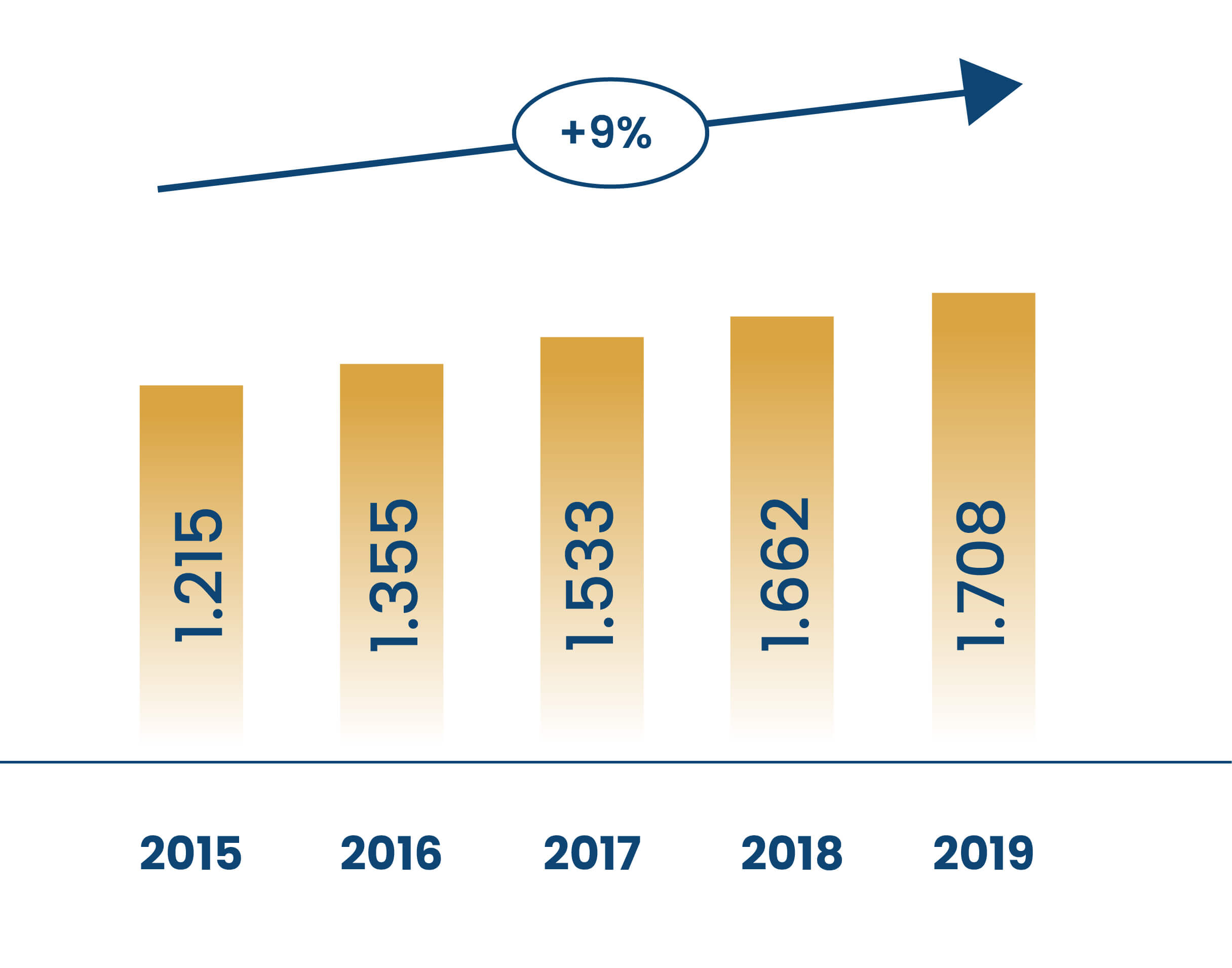
Import
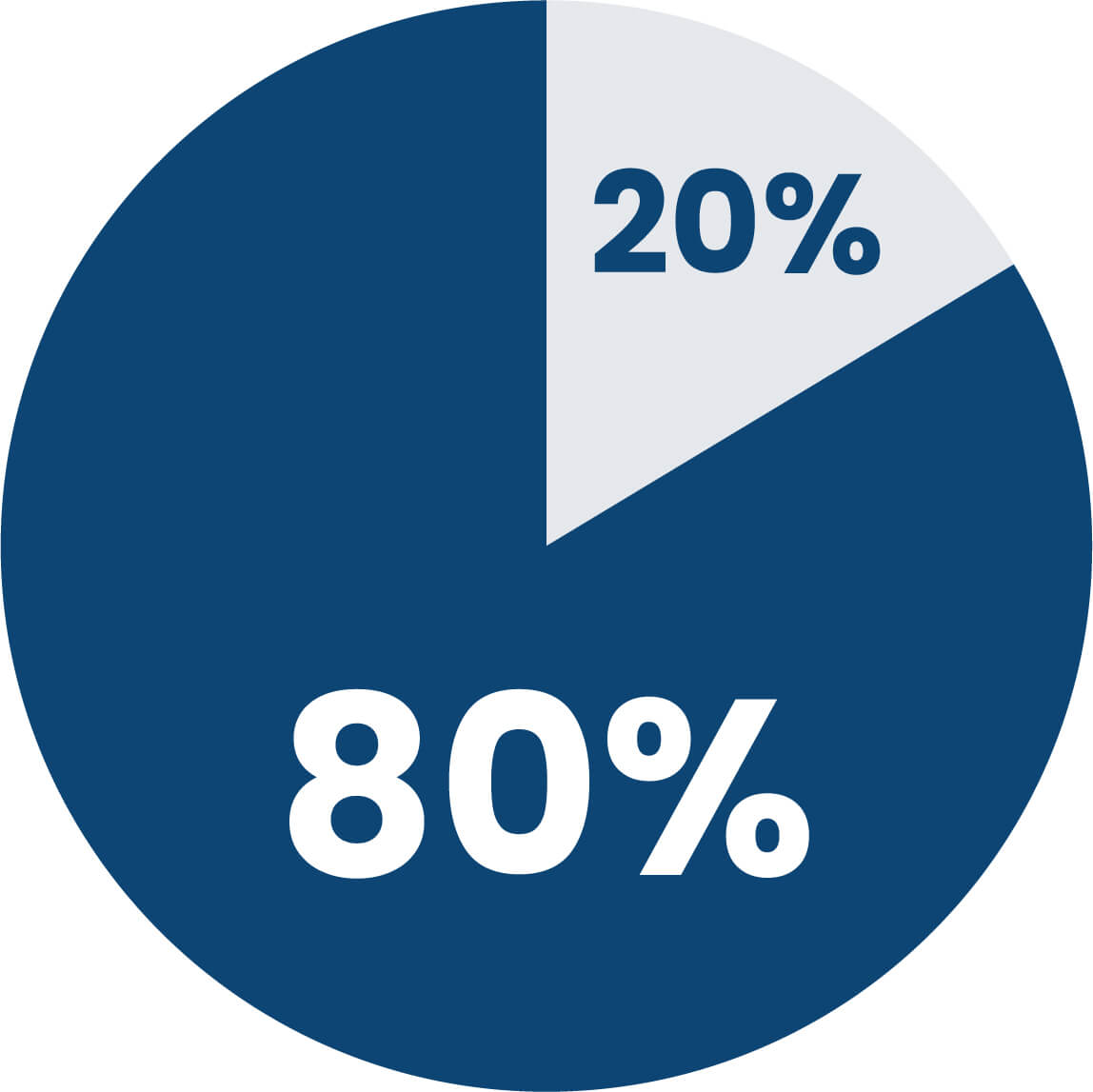
Local
KEY FACTS
The Guelmim Oued-Noun region has a significant competitive advantage in the production and export of certain natural ingredients such as:
Argan oil – Prickly pear oil – Ghassoul clay – Soap
This will improve the supply of organic cosmetics both nationally and internationally. Ingredients include rosemary, borneol thyme, mint, myrtle, geranium, lavandin, mastic, lemon verbena…
Download this report in PDF format
Manufacturing of egg trays
Business sector
Parachemistry
Complexity
-3.33
2.56
0,27
Investment amount
1-2 Million DHS
Revenue
2-3 Million DHS
Gross Margin
20% – 30%
Number of jobs
4-10 direct jobs
Key investment advantages
Subsidies
ISTITMAR SME Program
or very small businesses, depending on the
revenue
Training assistance
"IDMAJ" Program«
"TAEHIL" Program«
Market Growth and Size
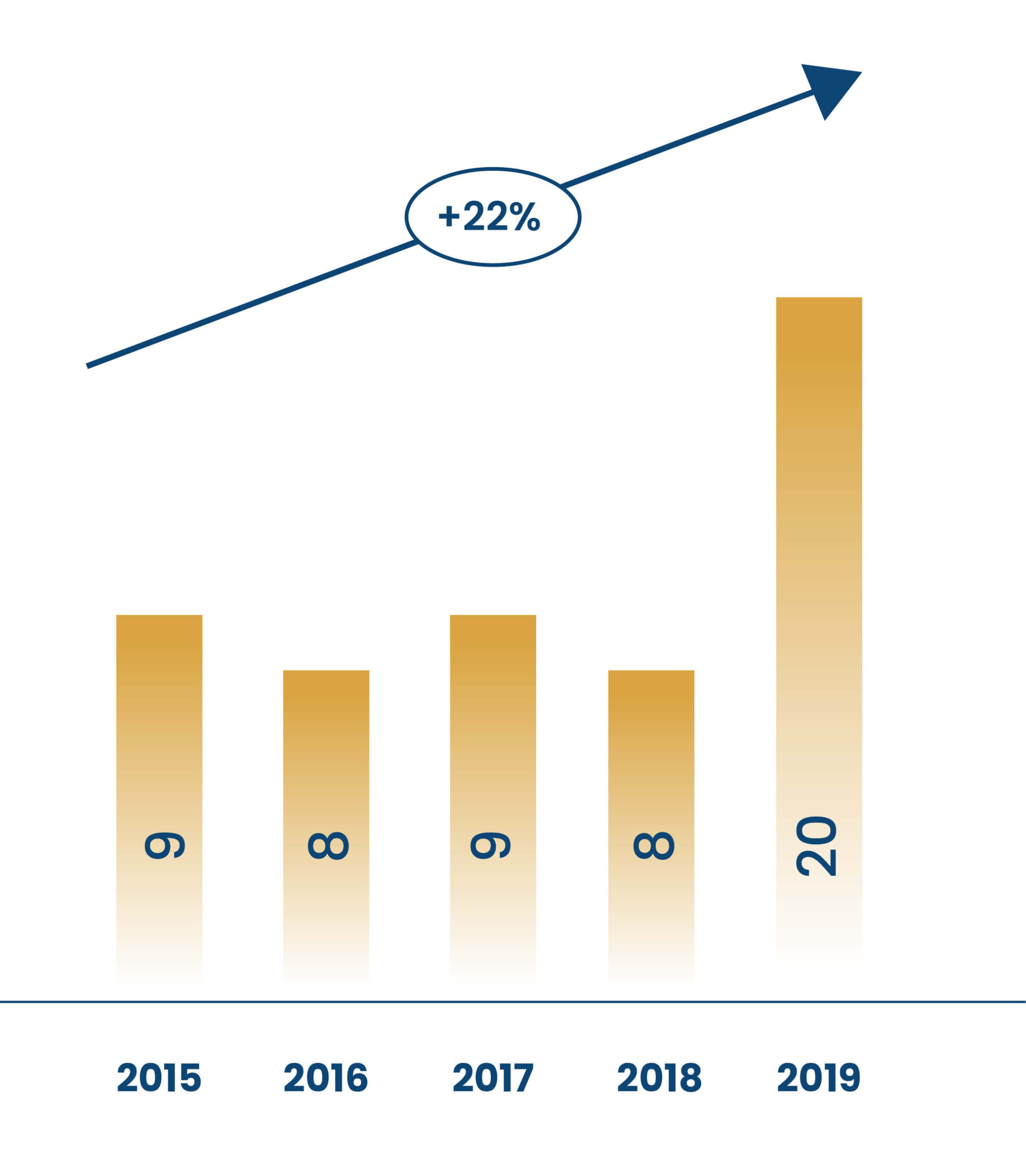
Import

KEY FACTS
There is no local production of egg trays, with imports coming almost exclusively from Egypt.
A sector with strong potential, a competitive workforce, and investment advantages within the framework of the Green Morocco Plan.
Growth in the sector driven by the development of the artisanal and industrial pastry industry.
Download this report in PDF format
Manufacturing of unprinted flat cardboard
Business sector
Parachemistry
Complexity
-3.33
2.56
0,38
Investment amount
400 – 500 Million DHS
Revenue
600 – 700 Million DHS
Gross Margin
17% – 24%
Number of jobs
300-400 direct jobs
Key investment advantages
Subsidies
Industrial Development and Investment Fund (FDI)
ISTITMAR SME Program
or very small businesses, depending on turnover
Training assistance
"IDMAJ" Program«
"TAEHIL" Program«
Market Growth and Size
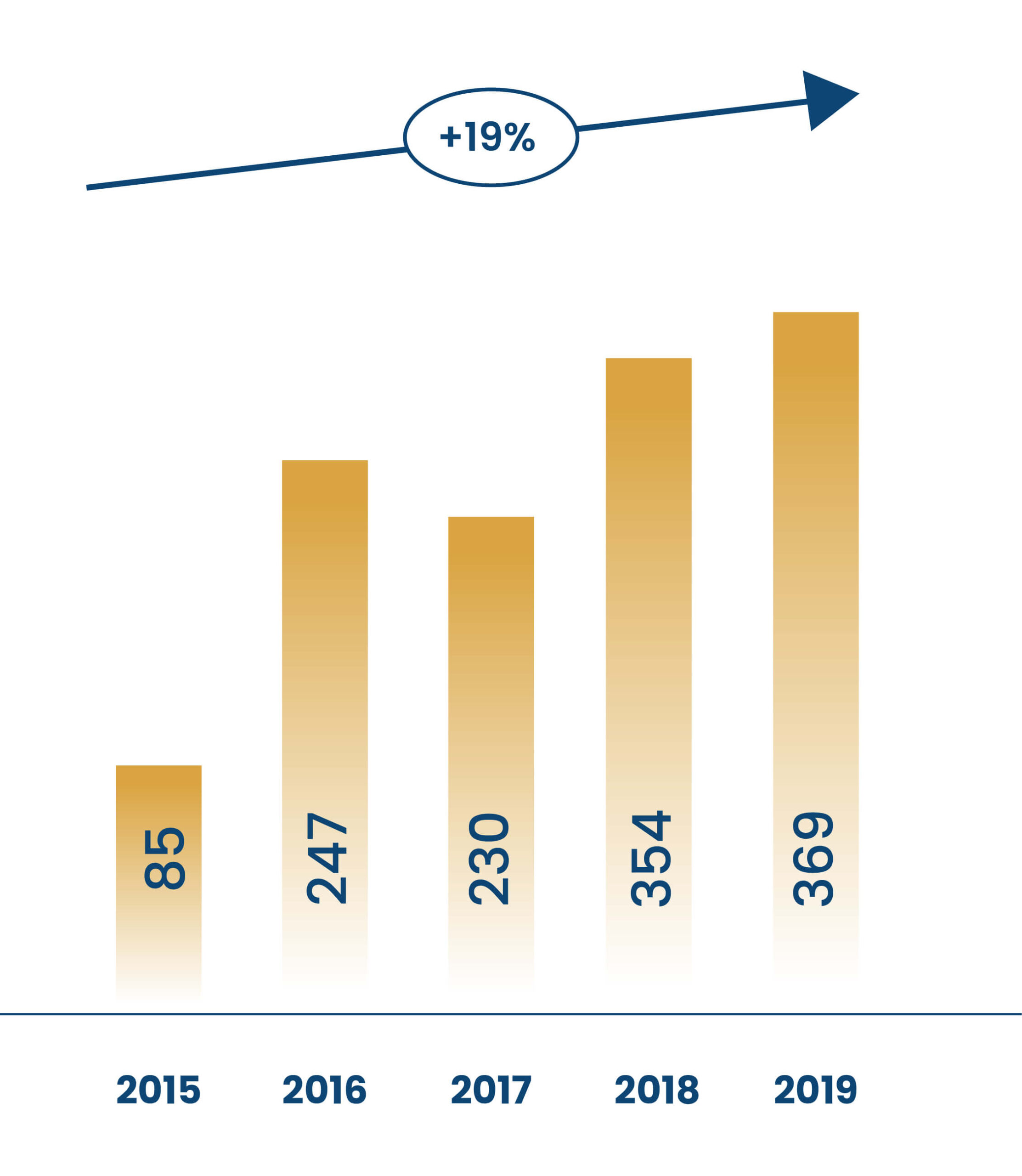
Import

KEY FACTS
Strong need for upstream integration and independence from international suppliers and price fluctuations.
Project aligned with an African Export Hub strategy
Download this report in PDF format
Manufacturing of aseptic box bricks
Business sector
Parachemistry
Complexity
-3.33
2.56
0,425
Investment amount
250 – 300 Million DHS
Revenue
~400 Million DHS
Gross Margin
20% - 28%
Number of jobs
50-60 direct jobs
Key investment advantages
Subsidies
Industrial Development and Investment Fund (FDI)
ISTITMAR SME Program
or very small businesses, depending on turnover
Training assistance
"IDMAJ" Program«
"TAEHIL" Program«
Key investment advantages
Import

KEY FACTS
Importation of 100% aseptic bricks due to its high technological complexity with the need to achieve significant economies of scale.
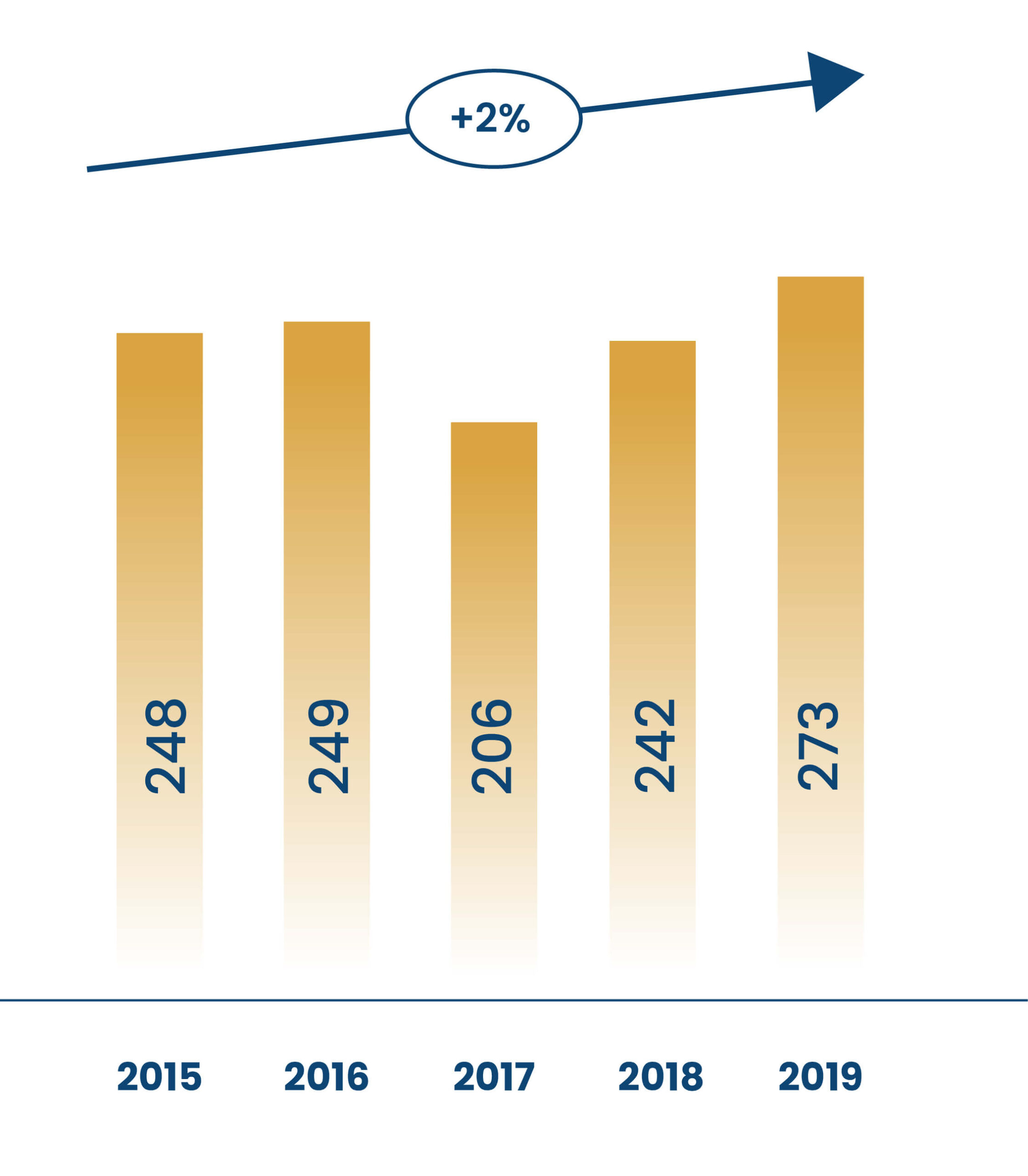
Imports of aseptic cartons from Turkey (Tetrapack facilities in Turkey), estimated at ~216 million MAD in 2019, as well as from Serbia and Hungary
Download this report in PDF format
Deep-water abalone farming
Business sector
Aquaculture
Land area
15 Hectares
Investment amount
11 to 13 Million DHS
Revenue
30 to 35 Million DHS
Permanent jobs
14 to 17
Perimeter
MIRLEFT
Production cycle
USEFUL INFORMATION
Production: 60 to 70 tons
Average yield: 4 to 5 tonnes per hectare
Harvest: Continues over time from October of the 3rd year
Technique: Rearing in suspended cages of the Ortac and Abbloc types (15 lines of 150 m)
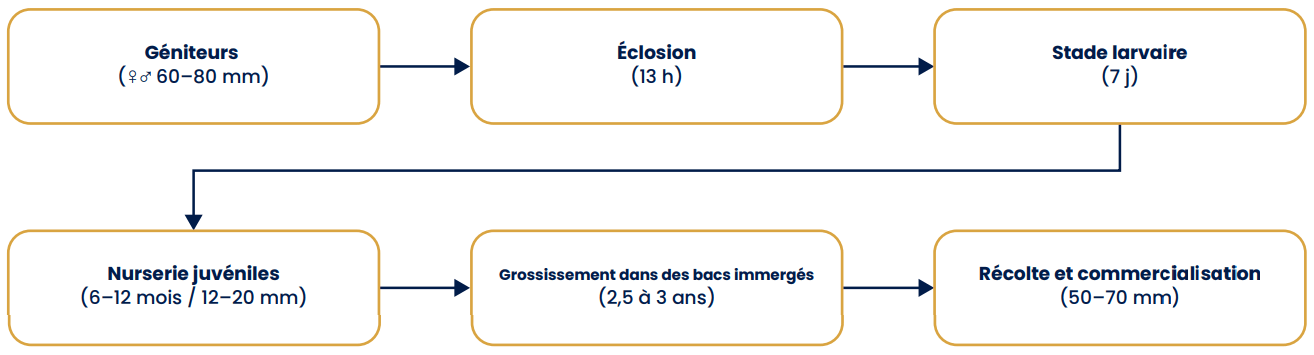
Rearing cycle: 30 to 36 months (pre-fattening 12 months and fattening 18 to 24 months)
Download this report in PDF format
Mussel Farming
Business sector
Aquaculture
Land area
15 Hectares
Investment amount
6 to 8 Million DHS
Revenue
4 to 6 Million DHS
Permanent jobs
17
Perimeter
MIRLEFT
Production cycle
USEFUL INFORMATION
Production: 300 to 350 tons
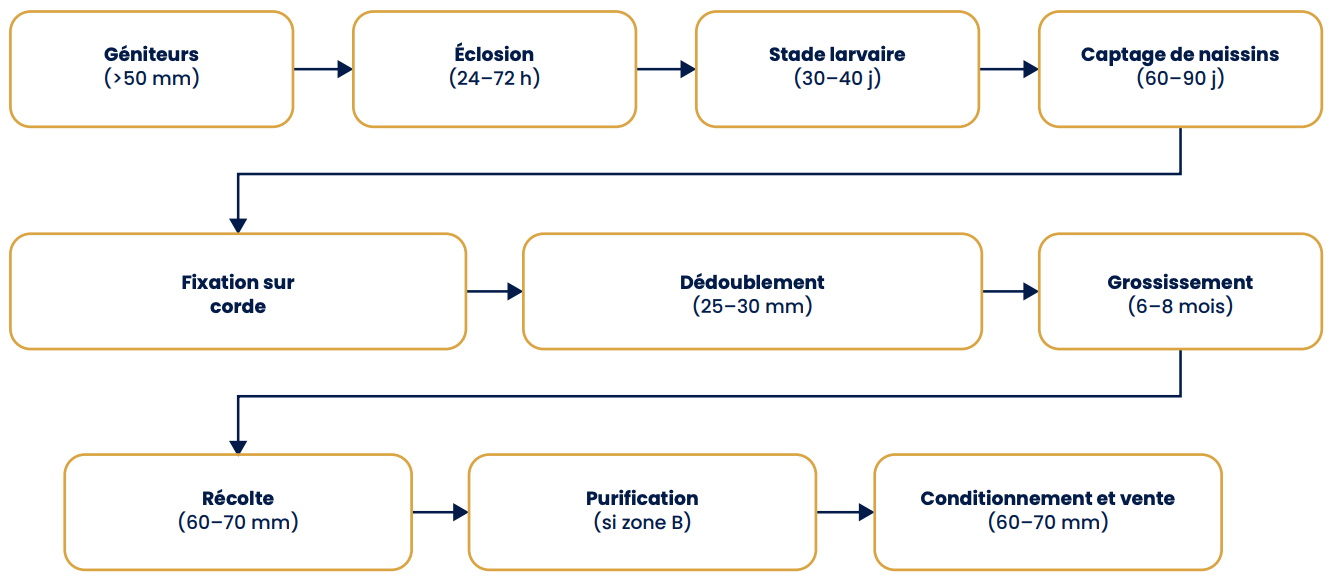
Breeding cycle: 10 to 12 months
Mortality: 20 to 30 % (at the end of the cycle)
Harvest: From October of the first year
Average yield: 18 to 22 tonnes per hectare
Technique: Rearing in sub-surface lines 240 m long
Download this report in PDF format
Oyster Farming
Business sector
Aquaculture
Land area
2 Hectares
Investment amount
0.5 to 1.5 Million DHS
Revenue
1 to 1.5 Million DHS
Permanent jobs
4 to 6
Perimeter
MIRLEFT
Production cycle
USEFUL INFORMATION
Production: 40 to 60 tons
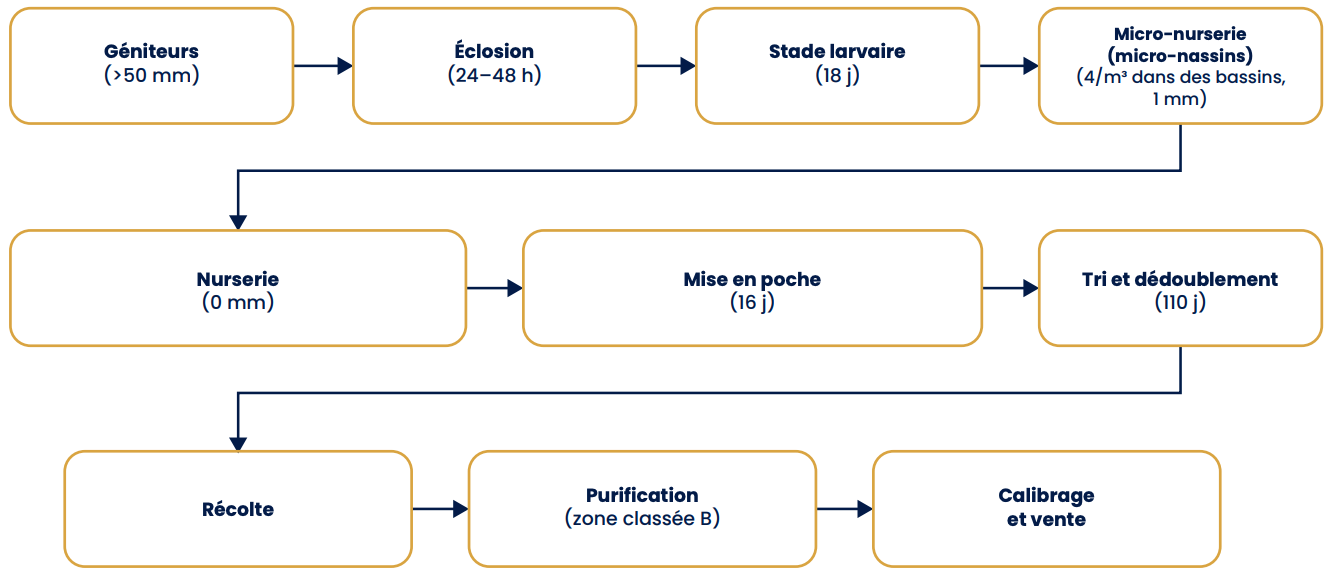
Breeding cycle: 12 to 18 months
Mortality: 30 to 40 % (at the end of the cycle)
Technique: Rearing in bags on tables
Harvest: From October of the first year
Average yield: 20 to 30 tonnes per hectare
Download this report in PDF format
Sea bass/sea bream farming
Business sector
Aquaculture
Land area
25 Hectares
Investment amount
80 to 120 Million DHS
Revenue
25 to 35 Million DHS
Permanent jobs
20 to 24
Perimeter
Sidi Ifni
Production cycle
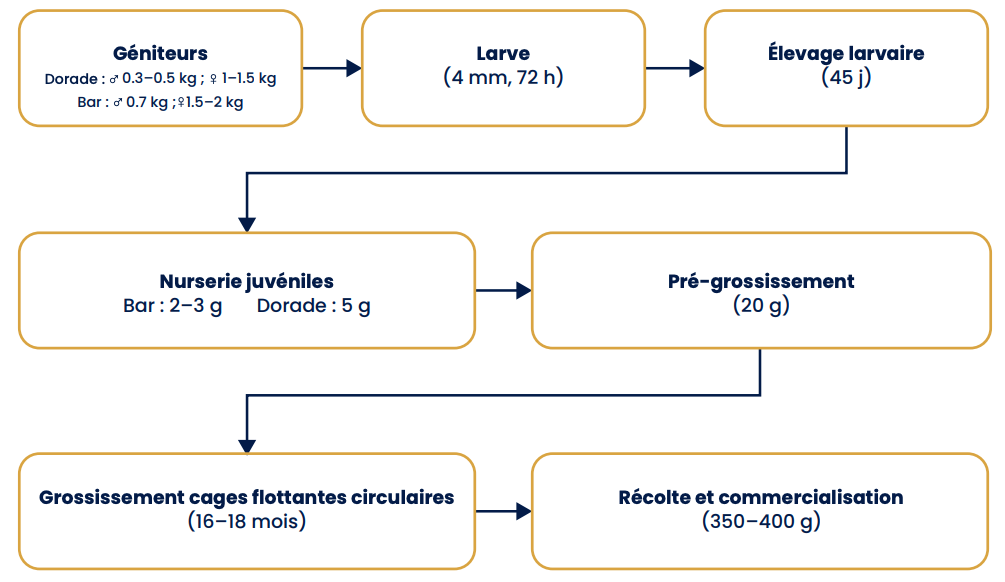
USEFUL INFORMATION
Production: 1200 to 1300 tons
Breeding cycle: 16 to 18 months
Mortality: 20 to 25 % (at the end of the cycle)
Average yield: 50 to 60 tonnes per hectare
Harvest: From May of the second year of production
Technique: Rearing in circular cages with a diameter of 25 m
Download this report in PDF format
Clam farming
Business sector
Aquaculture
Land area
2 Hectares
Investment amount
0.7 to 1 Million DHS
Revenue
0.8 to 1.5 Million DHS
Permanent jobs
5 to 7
Perimeter
Mirleft
Production cycle
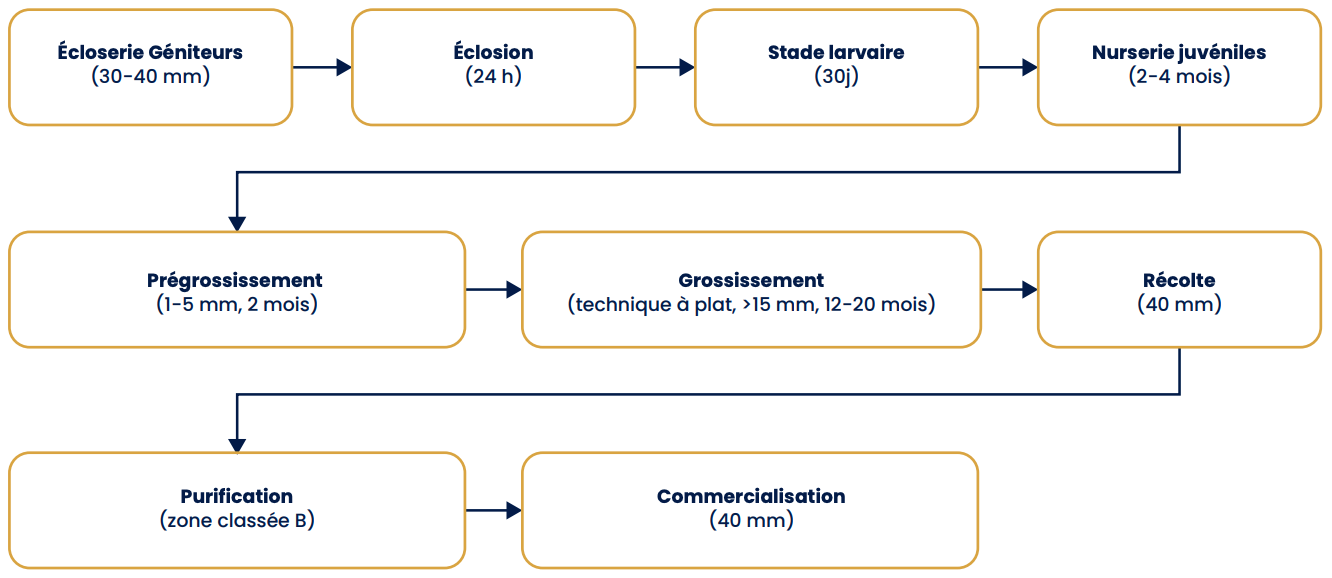
USEFUL INFORMATION
Production: 9 to 12 tonnes/year
Breeding cycle: 18 months
Average yield: 4 to 6 T/ha (70 % recovery)
Technique: Direct seeding and protection by netting (flat cultivation)
Harvest: From September of the second year of production
Download this report in PDF format
Dietary supplements made from bee products
Business sector
Agrifood
Complexity
-3.33
2.56
Investment amount
10-20 Million DHS
Revenue
20-40 Million DHS
Gross Margin
20% – 25%
Perimeter
GON Region
Key investment advantages
Subsidies
Program
«"ISTITMAR"»
Training assistance
"IDMAJ" Program«
"TAEHIL" Program«
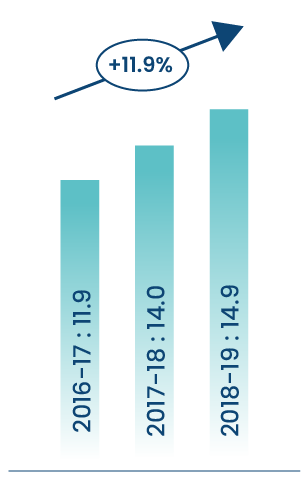
Moroccan Imports
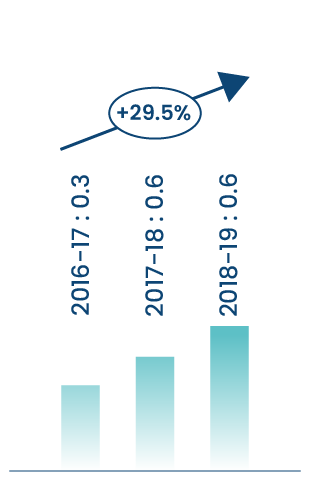
Exports Morocco
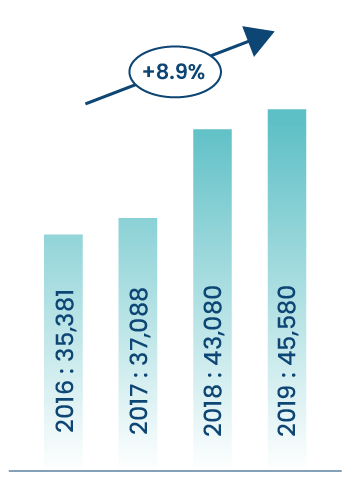
global trade
KEY FACTS
Capitalizing on good quality beekeeping production.
Potential for development of the national market, particularly with the emergence of new household consumption habits oriented towards "health" products.
Download this report in PDF format
Valorization and processing of dried fruit
Business sector
Agrifood
Complexity
-3.33
2.56
Investment amount
20-50 Million DHS
Revenue
30-80 Million DHS
Gross Margin
20% – 25%
Perimeter
GON Region
Key investment advantages
Subsidies
Industrial Development and Investment Fund (FDI)
ISTITMAR program for SMEs or very small businesses, depending on turnover
Training assistance
"IDMAJ" Program«
"TAEHIL" Program«
Market Growth and Size
Moroccan Imports
Exports Morocco
global trade
KEY FACTS
Local market growth is driven by changing consumption habits, the development of food industries that use these products, and the expansion of large-scale distribution.
Global growth prospects (~5% in the coming years)
Low national competition, mainly international competitors